

How to Weatherproof Your Cowboy Hat
A good cowboy hat isn't just western wear—it's an investment. Whether you're working cattle on a ranch, catching the rodeo circuit, or just living the lifestyle here in Nashville, your hat takes a beating. Sun, rain, dust, sweat—all of it works to break down the felt or straw quicker than you'd like. The difference between a hat that lasts a season and one that lasts a decade comes down to how you treat it.
The time to protect your hat is before it needs protecting.
Most folks don't think about weatherproofing until their hat's already showing serious wear. That's backwards. The time to protect your hat is before it needs protecting. Start with a good quality hat from the jump. Cheap felt won't hold up no matter what you do to it, but a solid cowboy hat made from decent material will take care of you if you take care of it.
Treating Your Hat from Day One
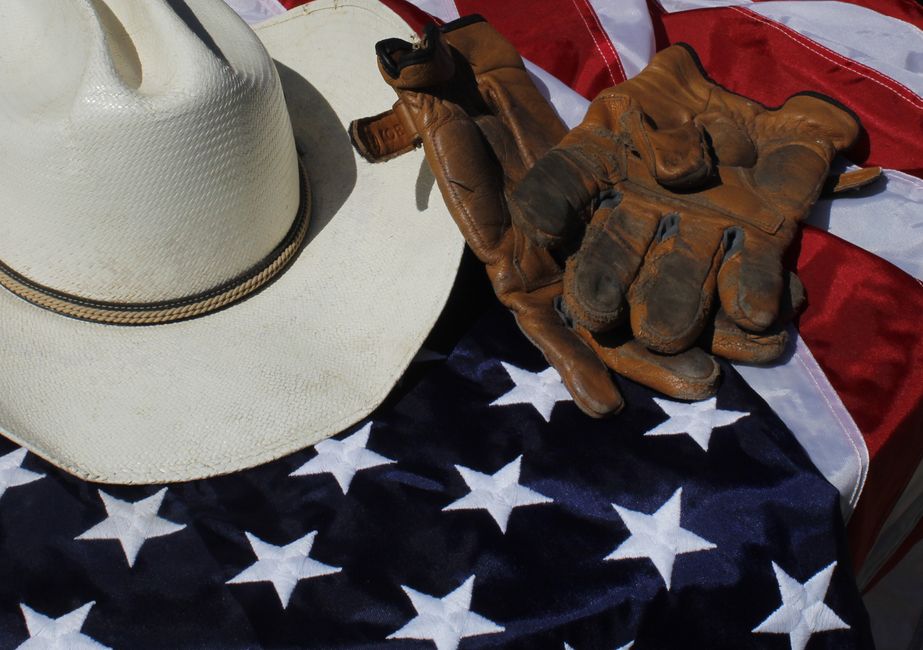
Right out of the box, your new cowboy hat needs a water-resistant coating. There are sprays made specifically for this—look for ones designed for felt hats. Apply it evenly, working in a well-ventilated space, and let it dry completely before wearing. This creates a barrier that sheds water instead of letting it soak in and warp the shape of your hat.
If you're wearing a straw hat for summer ranch work or rodeo season, the treatment's a bit different. Straw's naturally more resistant to water than felt, but it still needs help. A light starch spray actually helps straw hats shed water better while maintaining their rigidity. Spray it on every couple of months during heavy use. For comprehensive hat care guidance across all materials, it's worth reviewing best practices for long-term maintenance.


