


The Difference Between a Cowboy and a Rancher
If you spend any time around the western lifestyle, you'll hear these two terms tossed around like they mean the same thing. They don't. A cowboy and a rancher are different animals altogether, and understanding that difference tells you something important about the land, the work, and the people who choose this life.
What Defines a Cowboy?
Let's start with what a cowboy actually is. A cowboy is a worker. He's hired to move cattle from one place to another, to rope, brand, and manage livestock on someone else's land. Historically, cowboys were skilled laborers who understood horses, cattle, and the landscape well enough to keep animals safe and productive. They worked from dawn until the job was done, and when the work was finished, they moved on. Some stayed seasonal, others drifted. The cowboy was portable. He brought his skills, his saddle, and his will to work, and that was enough.
What Defines a Rancher?
A rancher, on the other hand, owns the land. He's an operator. He makes the decisions about breeding, grazing rotations, water management, and long-term strategy. A rancher builds infrastructure, invests capital, and lives with the consequences of every choice he makes. He doesn't just work cattle; he builds a business around them. The rancher's commitment is measured in decades, not seasons.
A cowboy works hard because he's paid to work hard. A rancher works hard because the ranch is his name, his identity, and his legacy.
The Work Never Stops, But the Stakes Are Different
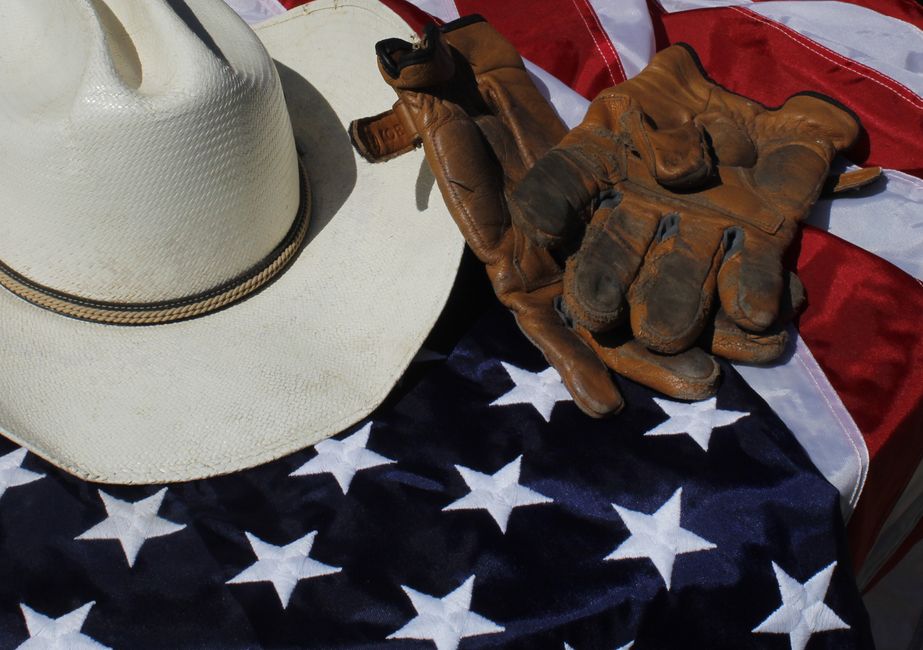
Both roles demand physical grit. Calving season, a fence down in a storm, a heifer stuck in a creek bottom at two in the morning. Nobody on the place sleeps through that, owner or hired hand.
The difference is what rides on it. When a hard winter kills a third of the calf crop, the cowboy has lost sleep and maybe a little pride. The rancher has lost a year of income, and maybe the note on the land. A cowboy carries his risk in his body: bad horses, bad weather, bad wrecks. A rancher carries his in the books: cattle prices, feed costs, drought, interest rates, and the weight of the family name on the gate.
That is why a lot of ranchers will tell you the hardest work they do happens at the kitchen table, not in the pasture.
A Day in Each Pair of Boots
The Cowboy's Day
He's saddled before sunup. The day is horseback work: gathering a pasture, sorting pairs, doctoring a sick calf, moving a herd to fresh grass, checking water. Come branding time he's roping and dragging calves to the fire. His tools are his horse, his rope, his saddle, and his eye for cattle. When the boss says the pasture's gathered, the job is done.
The Rancher's Day
He might do every one of those jobs too, especially on a small family place where the owner is also the best hand on the crew. But his day doesn't end at the barn. He's reading the grass to decide when to move cattle, calling the sale barn, figuring hay for winter, fixing the well pump, meeting the banker, and planning which heifers to keep back. He is the cowboy, the manager and the accountant, all wearing the same hat.
Cowboy vs Rancher at a Glance
| Cowboy | Rancher | |
|---|---|---|
| Role | Hired hand who works the cattle | Owner or operator who runs the place |
| Land | Works someone else's | Owns or leases it |
| Paid by | Wages, by the day, month or season | Whatever the cattle bring at sale |
| Risk | Physical: horses, weather, wrecks | Physical plus financial: prices, drought, debt |
| Time frame | The job, the season | Generations |
How Each One Dresses
You can often tell them apart before anybody says a word. A working cowboy dresses for the saddle: a hat with a brim wide enough to matter, a long sleeve shirt for sun and brush, chinks or chaps, tall boots with a riding heel, and a pair of jeans that have seen better days. Everything on him is there for a reason, and most of it is worn thin.
A rancher's clothes have to cover more ground. Same boots and hat in the pasture, but he's also climbing into a pickup, walking into the co-op, and sitting across from the banker. That's where you see the clean pearl snap, the vest, and the good hat saved for town. Read more on that shirt in the history of pearl snap shirts.
Off the ranch, most of us just wear the story. That's what we draw at Steel & Saddle: western graphic tees with gamblers, outlaws and lever actions on the back, heavyweight cotton printed in Nashville.
Why the Words Get Mixed Up
Part of it is the movies. Hollywood made the cowboy the hero of the West, so everybody who wears boots and runs cattle gets called one. Part of it is that on most small operations the line really is blurry. The man who owns the ranch is often out horseback with the crew every morning, and plenty of cowboys dream of owning a place of their own one day.
Ask around ranch country and most folks will tell you the same thing: every rancher has done cowboy work, but not every cowboy has carried a ranch. Both deserve respect, and both are a big part of why the western life still pulls people in.
And the Rodeo Cowboy?
There is a third character in this story, and he confuses things further: the rodeo cowboy. Rodeo grew out of ranch work, and plenty of contestants grew up on a place. But in the arena, roping and riding is the job itself, judged and timed, with entry fees going in and prize money coming out. A man can be a world class roper and never work a day for wages on a ranch.
You can see it in the clothes. Ranch wear is built for the long day: faded, patched, earth colored, nothing that snags. Rodeo wear is built to be seen. Professional rodeo keeps a western dress code for contestants, with a long sleeve collared shirt, boots and a western hat, and riders show up in bright shirts, crisp creases and a contestant number pinned to the back. Bull riders add a protective vest, and more of them wear helmets than ever. Same roots, same boots, different audience.
The Bottom Line
A cowboy works the cattle. A rancher answers for them. One brings his saddle and his skill, the other puts his name and his land on the line. Get that straight and you'll understand the West a whole lot better, and you won't get corrected at the sale barn.


