

The Bolo Tie: A Western Staple With Real History
The bolo tie isn't some newfangled fashion invention dreamed up by marketing folks in New York. It's got roots deeper than most people realize, and it tells a genuine story about the American West that deserves to be told straight.
Back in the 1940s, an Arizona silversmith named Victor Cedarstaff was working his ranch near Wickenburg when he had a practical problem. His regular tie kept getting in the way of his work, so he rigged up something better. He took a piece of leather cord, added a silver clasp, and created something that could hang loose around his neck without getting tangled in ranch work. What started as a solution to a real problem became a symbol of western heritage that's still worn today.
Some folks claim Navajo artisans had versions of the bolo long before Cedarstaff, and there's truth to that too. The West has always been about taking what you need and making it work.
The bolo tie represents that spirit perfectly—functional, elegant in its own way, and honest about where it came from.
Why Cowboys and Ranchers Chose the Bolo
If you've ever worked around a ranch or spent time at a rodeo, you understand why the bolo tie caught on. A traditional necktie gets caught on saddle horns, gate posts, and equipment. It's impractical for anyone doing real work. The bolo tie solved that problem while still giving a man a way to dress up when he needed to.
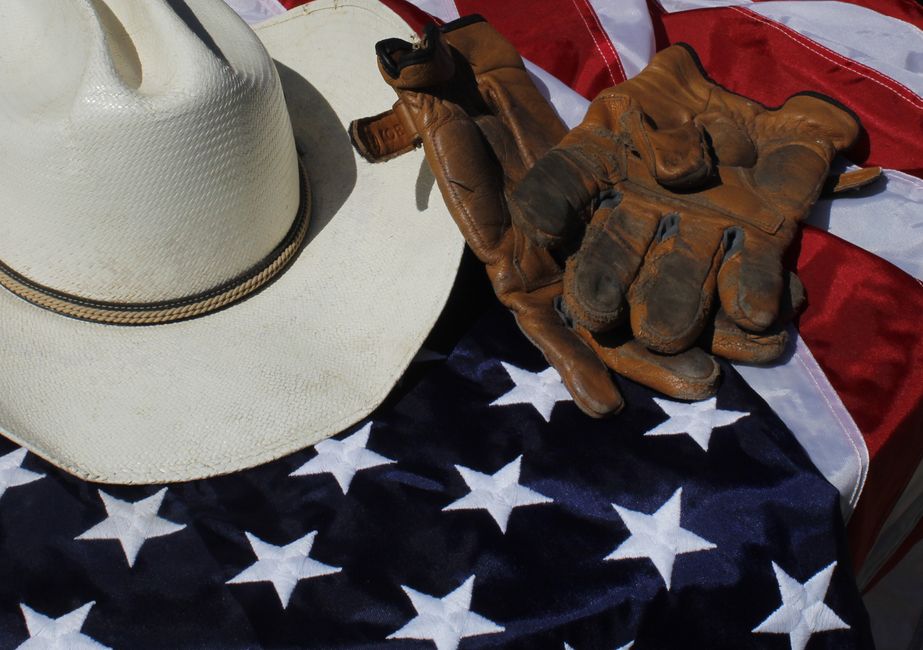
On a ranch, practicality matters more than appearances, but that doesn't mean looking sloppy. The bolo tie lets you show respect and style without sacrificing functi


