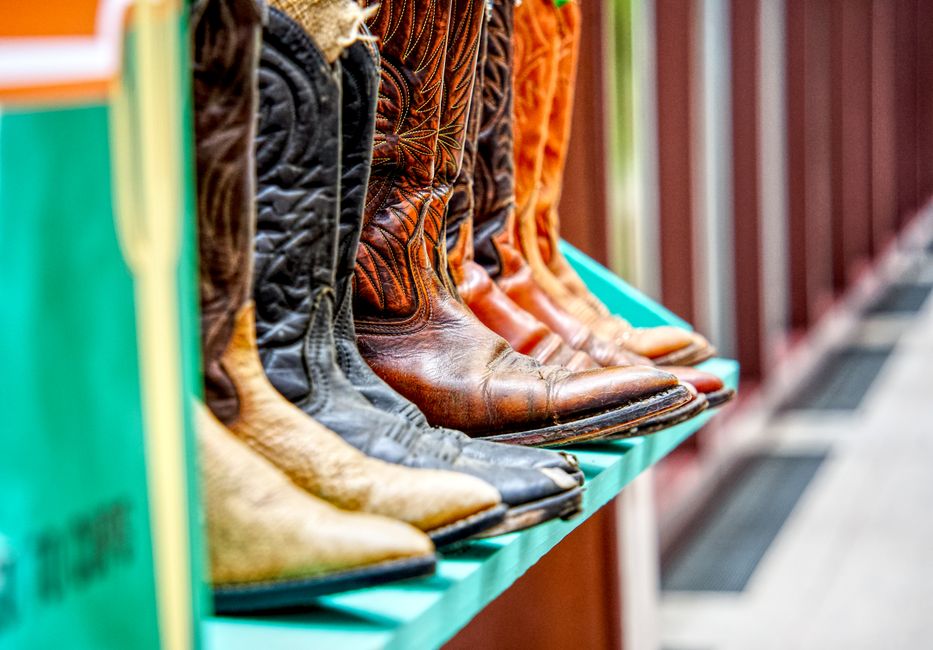
How to Waterproof Cowboy Boots for Tennessee Weather
Tennessee weather doesn't negotiate. One afternoon you're kicking dust at a local rodeo under a wide blue sky, and by sundown you're caught in a sideways downpour that'll soak through leather faster than you can find cover. If you've invested in a quality pair of cowboy boots — real ones, built from genuine leather by craftsmen who give a damn — you already know what they're worth. Protecting that investment isn't vanity. It's common sense. Learning how to waterproof your cowboy boots the right way means those boots will outlast the trends, the storms, and just about everything Tennessee can throw at them.
Why Tennessee Weather Is Especially Hard on Leather Boots
Most people think about rain when they think about waterproofing, but moisture is a more complicated enemy than that. Nashville and the surrounding region sit in a humid subtropical climate, which means your boots are fighting moisture in the air year-round — not just when it rains. Summer humidity alone can pull at leather fibers, cause dyes to bleed, and invite mold to set up camp on a pair of boots left in a warm closet. Add in the unpredictable spring storms, muddy fall grounds, and the occasional flash flood that turns a parking lot into a creek, and you've got real conditions that demand real care.
This isn't about keeping your boots pretty for Instagram. Working cowboys, ranchers, and anyone who wears western wear as a genuine lifestyle — not a costume — has always known that proper leather care is part of the deal. The good news is that waterproofing your boots isn't complicated. It just takes the right products, the right order of operations, and a little patience.
Step One: Clean Your Boots Before You Do Anything Else
Waterproofing product applied over dirt, dried mud, or old product buildup is wasted product. Before you condition or waterproof a single inch of leather, clean your boots thoroughly. Use a soft-bristled brush to knock off any dried mud or debris, then wipe down the surface with a damp cloth. For deeper grime worked into the grain, a leather-specific saddle soap will do the job without stripping the hide of its natural oils.
Let your boots dry completely at room temperature after cleaning — never near direct heat like a radiator or in direct sunlight, both of which can dry out the leather and cause cracking. Patience here pays off later.
Step Two: Condition the Leather First
This is the step most people skip, and it's the most important one. Dry leather is thirsty leather, and thirsty leather will drink up moisture — including rain — like a sponge. A quality leather conditioner works down into the grain of the hide, restoring natural oils, keeping the leather supple, and building up its first line of defense against water penetration.
Apply conditioner with a soft cloth or brush using slow, circular motions. Work it into the toe box, the shaft, the heel, and — critically — the welt where the upper meets the sole. That seam is one of the first places water finds its way in. Don't rush it. Give the conditioner time to soak in fully before moving on to the next step.
If you're wearing your boots regularly in Tennessee conditions, plan to condition them every four to six weeks. At a minimum, condition at the start of each season.
Step Three: Apply a Waterproofing Treatment
Once the conditioner has been absorbed and the boots are dry to the touch, it's time to waterproof. There are a few solid options depending on the type of leather your boots are made from:
- Beeswax-based creams and waxes — The old-school standard, and still one of the best. Products like Obenauf's Heavy Duty LP or a quality boot wax create a deep, durable barrier against moisture. They're ideal for roughout leather, full-grain leather, and working boots that see real conditions.
- Silicone-based sprays — Faster to apply and good for a light layer of protection on dress boots or finer leathers. They don't penetrate as deeply as wax, so reapplication is more frequent, but they're convenient for a quick refresh before heading out.
- Lanolin-based products — A gentler option that conditions and provides moderate water resistance simultaneously. Good for exotic leathers like caiman or ostrich where you want to protect without altering the finish.
Whatever product you use, apply it evenly across all surfaces, work it into the welt seam, and buff to a finish with a clean cloth. Allow the boots to sit for several hours before wearing them out in wet conditions. A second coat on the welt and toe — the two areas that take the most abuse — is never a bad idea.
Don't Forget the Shaft and the Sole Edge
Most people focus on the foot of the boot and forget the shaft entirely. In Tennessee rain, water doesn't just come from the ground — it comes from every angle. Treat the full height of the shaft the same way you treat the toe and heel. The sole edge where leather meets rubber or leather outsole is also worth a specific pass with wax or conditioner to keep that bond from breaking down over time.
Ongoing Maintenance: Building the Habit
Waterproofing isn't a one-time job. It's a rhythm. A solid routine looks something like this:
- After every wear in wet or muddy conditions: brush clean, wipe down, allow to dry fully.
- Every four to six weeks with regular use: condition with a quality leather conditioner.
- Every two to three months, or at the start of a rainy season: apply a full waterproofing treatment.
- When storing long-term: condition, waterproof, stuff with boot trees or newspaper, and store away from heat and sunlight.
Working this into your routine adds maybe twenty minutes every month or two. That's a small price for boots that can last a decade or longer if you treat them right.
A Note on Western Hats in Wet Weather
While you're protecting your boots, give a thought to your hat. If you're wearing a quality felt hat — the kind worth wearing when the weather turns — it deserves the same attention. A water-repellent spray designed for felt will help shed light rain without damaging the material. Just like the choice between felt vs. straw matters when you're picking your hat for the season, the way you care for it matters just as much. Straw hats are more moisture-tolerant, but neither style benefits from being left soaked and uncared for.
Real Western Wear Deserves Real Care
There's nothing romantic about a ruined pair of boots. The western tradition has always been built on durability, practicality, and taking pride in the gear that works as hard as you do. Whether you're heading to a Nashville event, walking the grounds at a Tennessee rodeo, or just living your daily life in quality western outerwear, the boots on your feet and the hat on your head represent something real. Treat them like it.
If you're looking to add to your western wardrobe — or if you need to start fresh with a pair of boots worth protecting — come see us at Steel & Saddle in Marathon Village, Nashville. Browse our full collection of western wear online at steelsaddle.co, or stop by the store and let us help you find what you're looking for. The Hat Bar's open, the doors are unlocked, and we've got no patience for anything that isn't built to last.